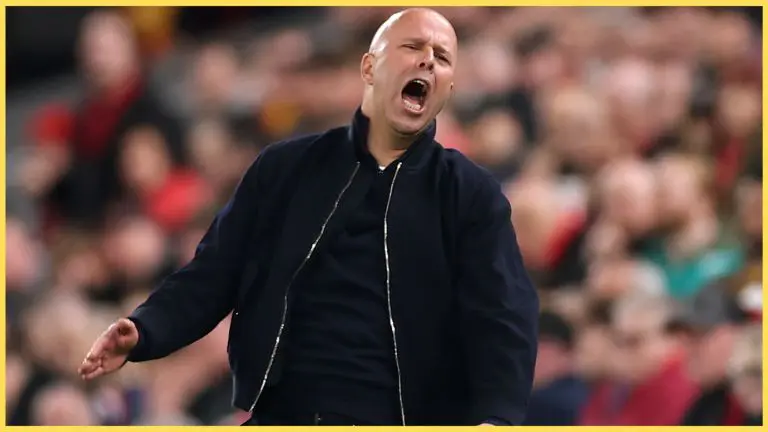
Concerns are beginning to grow around Arne Slot and the direction of Liverpool FC after a difficult stretch of performances that has left supporters frustrated and analysts questioning whether the team has lost the intensity that once defined it. One of Slot’s close friends and long-time football associates has now spoken publicly about the club’s recent struggles, delivering a blunt assessment that has quickly sparked discussion across the football world.
According to the Dutch football insider, Liverpool’s current problems go far beyond tactics or injuries. Instead, the biggest issue appears to be the visible drop in energy, aggression, and hunger on the pitch — qualities that traditionally made Liverpool one of the most feared sides in Europe.
“It’s lacking energy and that’s bad,” the associate reportedly said while discussing Liverpool’s recent displays. “When a team stops pressing with conviction and stops playing with confidence, opponents begin to believe they can hurt you. That is what we are seeing now.”
The comments arrive during a period in which Liverpool have struggled to maintain consistency in both domestic and European competitions. Supporters who expected a smooth continuation of the club’s high-intensity football under Slot have instead witnessed uneven performances, defensive lapses, and a side that often looks mentally fatigued during key moments of matches.
For Slot, the criticism represents another difficult chapter in what has already become a demanding managerial spell at Anfield. The Dutch coach arrived with enormous expectations after building a reputation for attractive, aggressive football in the Netherlands. Many believed he was the ideal figure to continue Liverpool’s modern identity after the departure of previous leadership. However, football at the highest level rarely allows managers much time to settle.
Several former players and pundits have pointed to Liverpool’s midfield balance as one of the central concerns. In recent matches, the team has appeared vulnerable during transitions, while the once-relentless pressing system has lacked synchronization. When Liverpool were at their best in recent years, opponents often struggled to escape pressure for even a few seconds. Now, rival teams are finding more space between the lines and attacking Liverpool’s defense with greater confidence.
Slot’s friend insisted that the issue is not necessarily a lack of quality in the squad, but rather a collective drop in intensity and emotional sharpness.
“The talent is there,” he explained. “But football is also about rhythm, emotion, and physical commitment. Liverpool used to overwhelm teams emotionally before the match even settled. Right now, they look uncertain.”
Inside the club, there is reportedly still confidence that Slot can turn things around. Liverpool’s hierarchy understands that transitions take time, especially after years of tactical continuity under previous management. Sources close to the club suggest the coaching staff remain united and believe improvements will come once key players regain form and fitness.
Still, pressure is beginning to mount from supporters who fear Liverpool may lose ground to their Premier League rivals if performances do not improve quickly. The atmosphere surrounding the club has become noticeably tense after a series of disappointing displays in which the team failed to control matches despite dominating possession.
Critics have also questioned whether some senior players are struggling to adapt fully to Slot’s tactical demands. While the Dutch manager encourages fluid attacking football, implementing a new structure at an elite club can create temporary instability. Some observers believe Liverpool are currently trapped between old habits and new ideas, leading to confusion during crucial moments.
Former professionals in both England and the Netherlands have defended Slot, arguing that judging a manager too quickly can damage long-term progress. They point to examples of elite coaches who initially struggled before eventually building successful eras at their clubs. Nonetheless, modern football is notoriously impatient, particularly at institutions with Liverpool’s ambitions and history.
Fans remain divided. Some continue to back Slot passionately, believing he deserves time to reshape the squad and restore confidence. Others worry that the warning signs are becoming too obvious to ignore. Social media discussions following recent matches have focused heavily on the team’s body language, lack of urgency, and inability to sustain pressure over ninety minutes.
Despite the growing criticism, players inside the dressing room are reportedly still supportive of their manager. Several squad members are said to admire Slot’s communication style and tactical knowledge, even if results have not consistently reflected the work being done behind the scenes.
The coming weeks could now prove decisive for Liverpool’s season. A strong run of results would quickly ease tensions and restore optimism around the club. But if the current inconsistency continues, scrutiny around Slot and his methods will only intensify.
For now, the words of Slot’s friend have captured the mood surrounding Liverpool perfectly: the energy that once terrified opponents appears diminished, and unless it returns soon, concerns about the club’s direction may continue to grow louder with every passing match.